

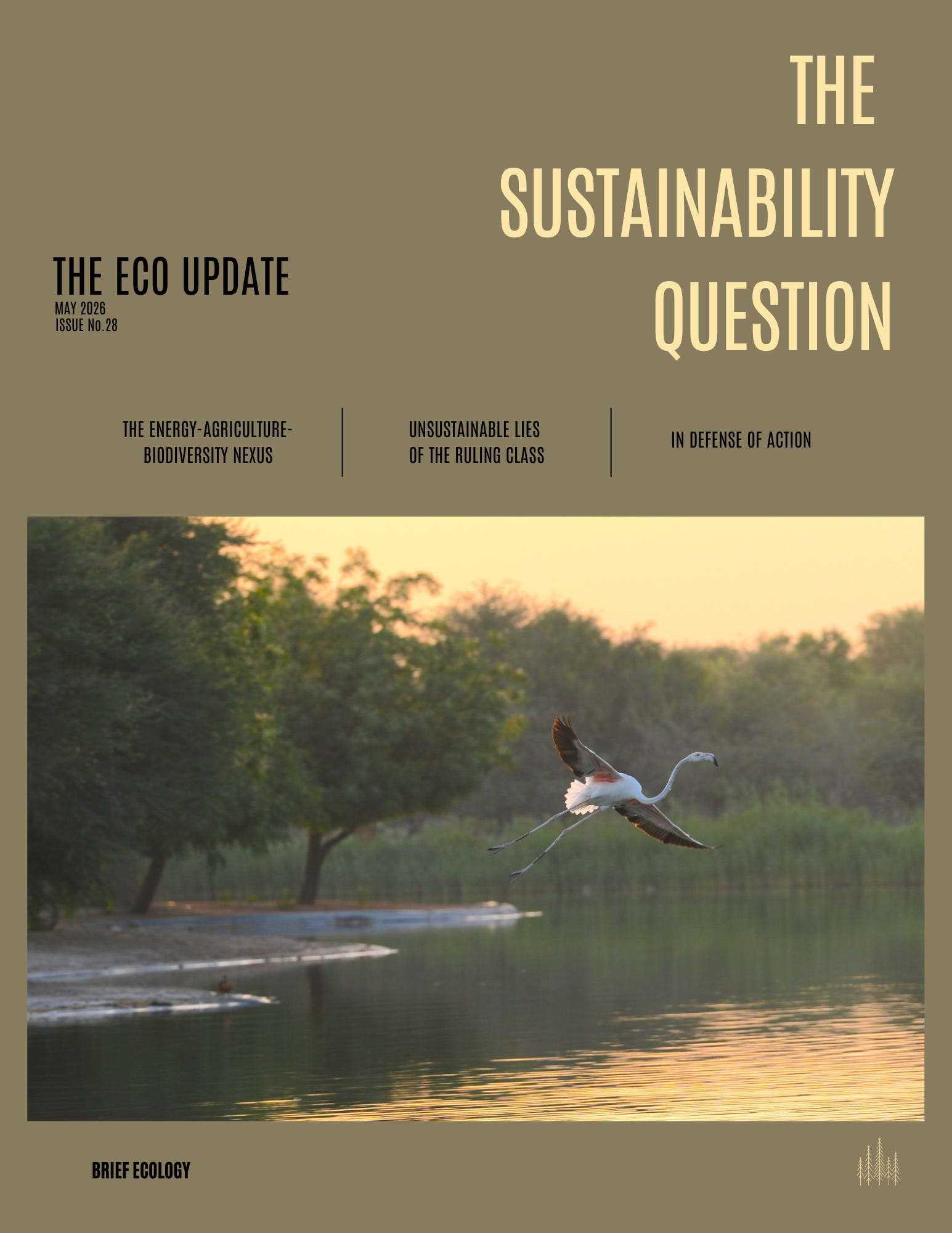
The Sustainability Question
The Eco Update #28

What’s In This Issue
Letter From the Editor | Ben Lockwood
The Energy-Agriculture-Biodiversity Nexus | Adam Gallaher
Unsustainable Lies of the Ruling Class | Ben Lockwood
Nature Photo of the Month | Natalia Danjon
In Defense of Action | Parker Clay
Ecofiction Review: Boreal | Ben Lockwood
Letter from the Editor
Dear Comrades,
What is sustainable? This might be the defining question of our current era. As we endlessly consume our way to planetary ruin, perhaps the most glaring answer is that it must be something else. Something we are not currently doing at any meaningful scale.
In this issue, we explore the sustainability question from various directions. Is solar energy sustainable if it reduces biodiversity? Can reusable water bottles and technology worship solve the planetary crisis? Does sustainability require interrogating our very notions of nature and ecology?
As always, we hope this issue will encourage you to find new ways to think about these questions.
In Solidarity,
-Ben
P.S. You may notice that this newsletter looks a little different. That’s because The Eco Update has grown beyond the size limit of a traditional newsletter. To read the full articles, you’ll have to go to BriefEcology.com (links provided below each article). But as always, Brief Ecology is completely free to read online!
The Energy-Agriculture-Biodiversity Nexus
by Adam Gallaher
Achieving net-zero emissions by 2050 remains a significant challenge, and rapidly transitioning the production of electricity is by no means a trivial task. Current estimates from the International Energy Agency suggest that to remain aligned with 2050 goals, wind and solar development need to rapidly increase by 1,120 gigawatts within the next four years. Renewable energy, particularly solar energy, however, requires considerably more land compared to outgoing fossil fuel generation. As a result, siting solar energy has emerged as a major obstacle to reaching net-zero emissions and has become increasingly contentious particularly among rural communities in the United States. The question now becomes; can we decarbonize our energy systems without sacrificing the very landscapes we depend on for food and biodiversity?
Our study, published in Geography and Sustainability, aims to answer that very question by focusing specifically on what we define as the energy-agriculture-biodiversity nexus.
Unsustainable Lies of the Ruling Class
If you scan major news outlets lately, it may seem as if the world has forgotten about climate change. War, financial markets, and the latest artificial intelligence claims dominate the headlines. Setting aside the direct and indirect impacts each of these has on the climate, and regardless of how the mainstream media chooses to cover them, climate change has very much not forgotten about the world.
On May 20th, the U.K.’s Climate Change Committee (CCC) published their fourth independent assessment on country’s climate risks. The report states that “At a minimum, the UK should prepare for the weather extremes that will be experienced if global warming levels reach 2°C above preindustrial levels by 2050.”
Nature Photo of the Month
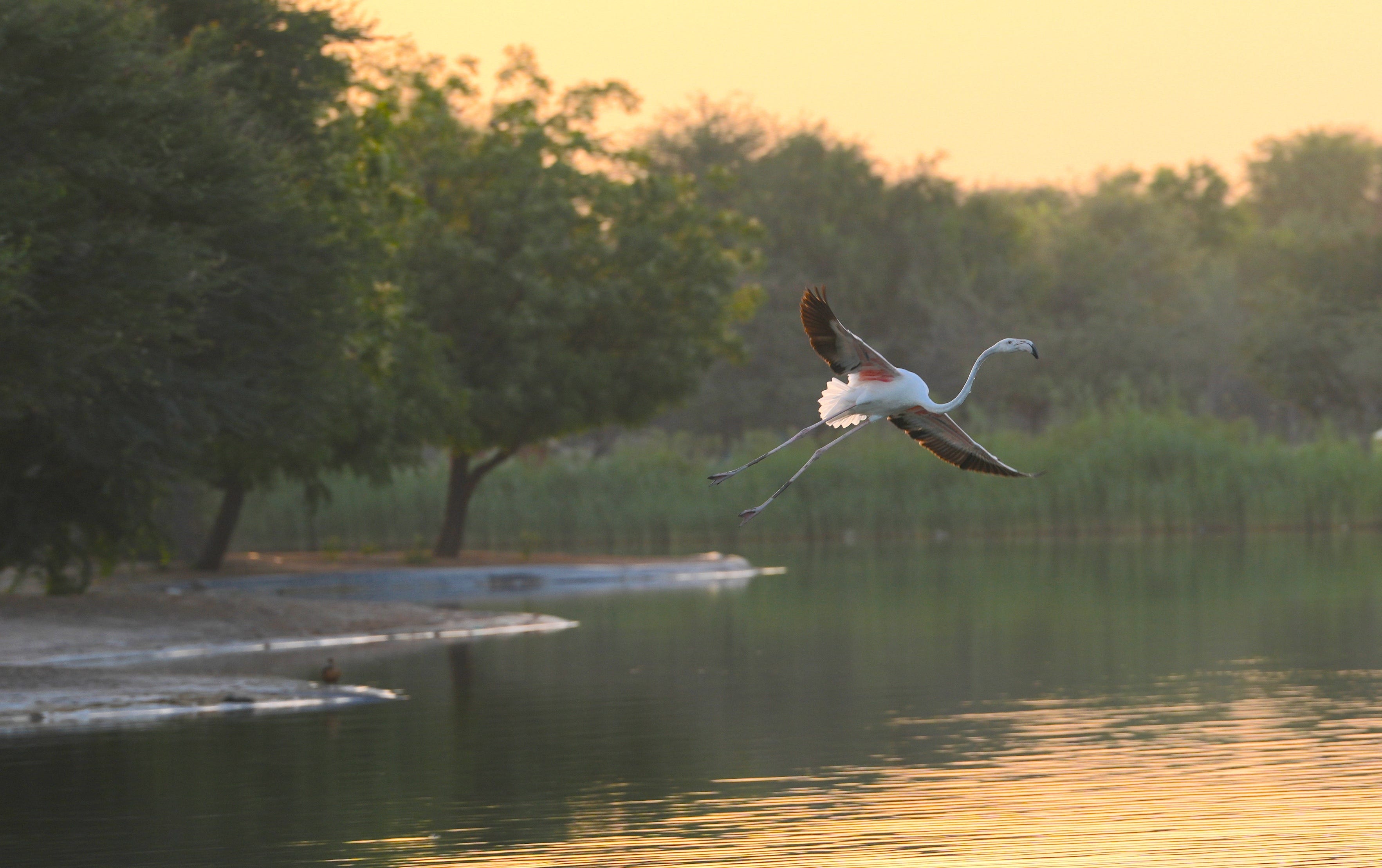
Natalia Danjon is a French Russian writer based in the UAE. When she is not writing, Natalia expresses her creativity through photography with a keen interest in colour and light. Her work appeared in Every Day Fiction and Molecule Literary Magazine.
Are you a photographer who would like to be featured in Brief Ecology? Send your work to editor@briefecology.com with the subject “Photo Submission” for consideration.
In Defense of Action
by Parker Clay
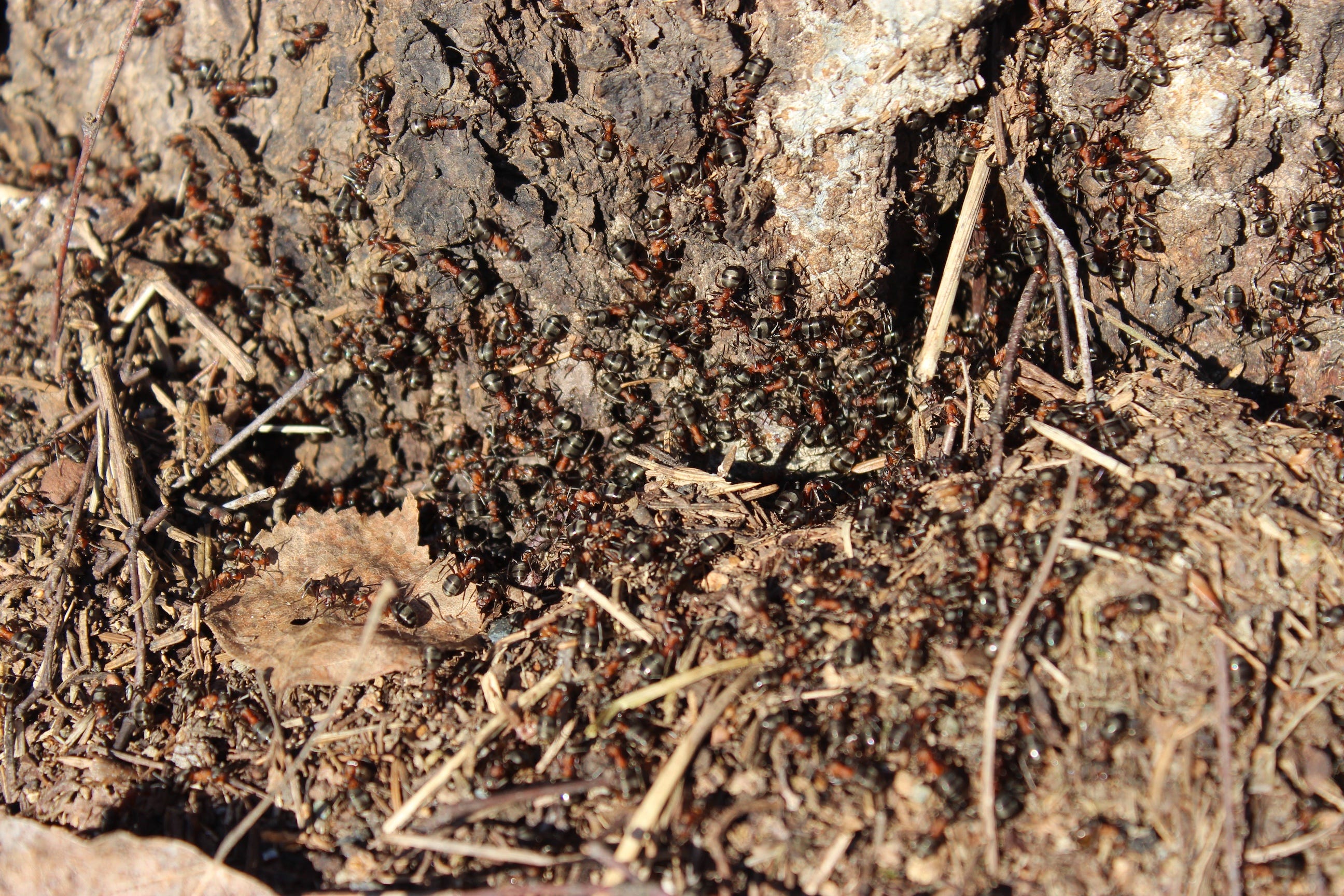
You’re a coward. Yeah, you, reading this. I don’t mean it as an insult; I’ve been a coward, too. Actually in a lot of ways I still am. Cowardness is drilled into us from day one. Don’t make noise, don’t make a scene, don’t destroy things, don’t spray-paint that wall, don’t disrupt the status quo. Be civil. Be Nice. Be docile. They want us to be cowards so they can reap the benefits of the status quo that’s keeping us all in our place and destroying the planet. But what is a broken window or a burning cop car in comparison to a starving country or a continental wildfire or a category five hurricane? At what point is it immoral not to act? They don’t account for that human carnage in the violence of their balance sheets, sanitized genocide in quarterly statements that fund the bombs of capitalism, a never-ending war in the name of profit and oppression. The machine runs on our cowardice. Don’t worry, the system will take care of itself while you pacify yourself with Netflix and Instagram. What they don’t want you to know is that they can boil a billion frogs a day so long as they hide it behind a suit and a smile. They’re lighting matches everywhere, holding the flame to tinder, daring us to stop them. Now there’s smoke on the horizon, my friend, and the fire is spreading. Will you grab a hose? Will you join me?
Eco-fiction Review: Boreal
by Ben Lockwood
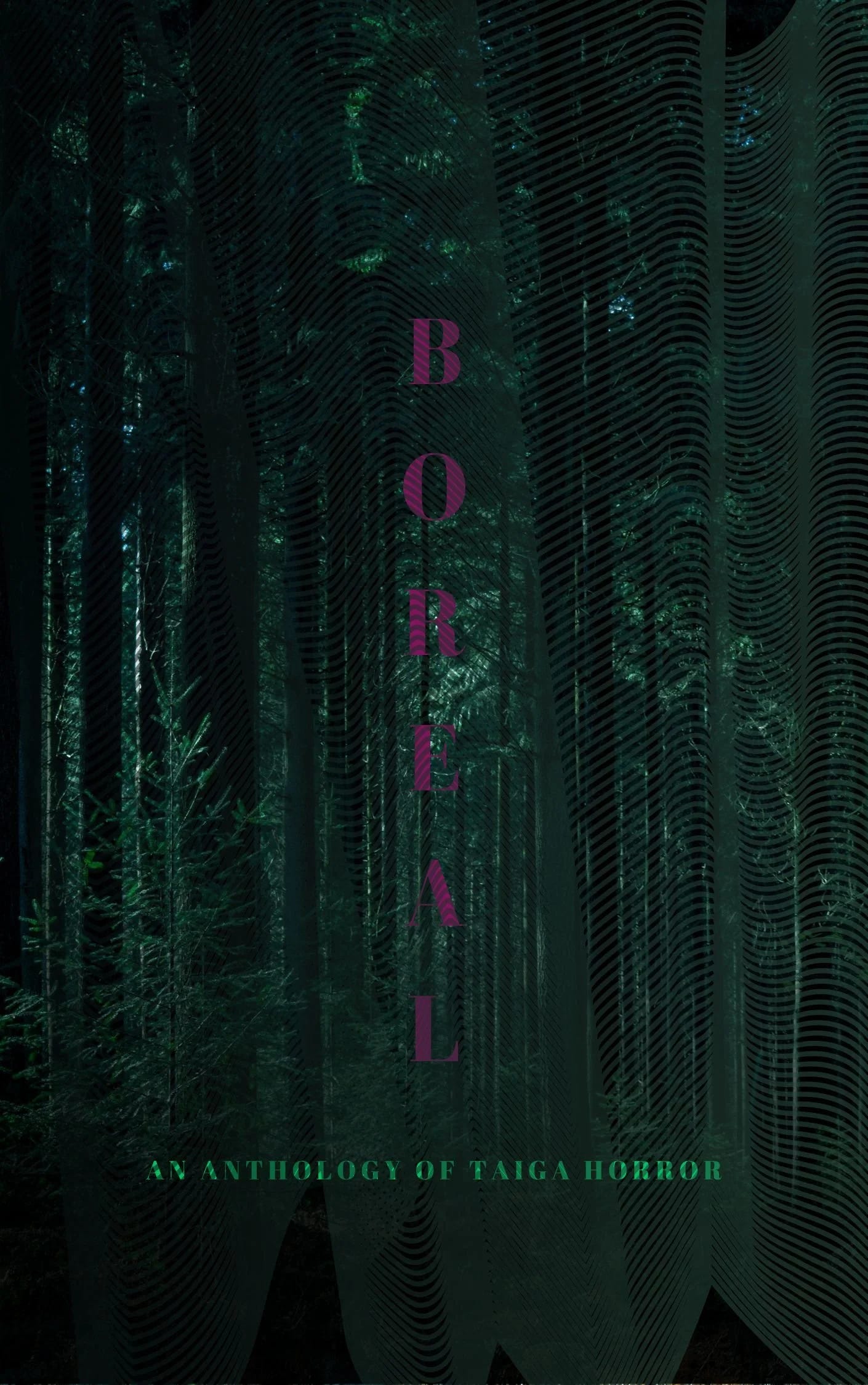
In Fear and Nature, Christy Tidwell writes, “eco-horror is both a genre and a mode, meaning it has identifiable characteristics of its own while appearing within other genres”. Boreal, a recent collection of short eco-horror stories from Strange Wilds Press, perfectly epitomizes this literary duality. Amongst the pages here you’ll find challenges to the nature-society binary, examples of nature’s agency, unknowable versions of nature, and some good-old-fashioned, pulpy, horrific fun; all set in the boreal habitat of northern latitudinal taiga.
More from Brief Ecology in May
Percentage, House by Tabitha Soper | The Rotting Leaf
Can Worker Co-Ops Deliver a Democratic Ecosocialism | By Ben Lockwood
I wouldn’t say the climate crisis has been forgotten so much as scientists are being silenced or ignored. Speaking for millennials only, we’ve learn our whole lives about climate change and the effects our consumption of resources has on the planet. It’s just now socially acceptable not to care these days?