

Planetary Possibilities
The Eco Update No. 29

What’s In This Issue
From the Editor: Planetary Possibilities | Ben Lockwood
Decarbonization Is a Coordination Problem — and Private Markets Can’t Solve It | Melanie Brusseler
The Global Justice Platform: A Deal Capitalism Should Take | Ben Lockwood
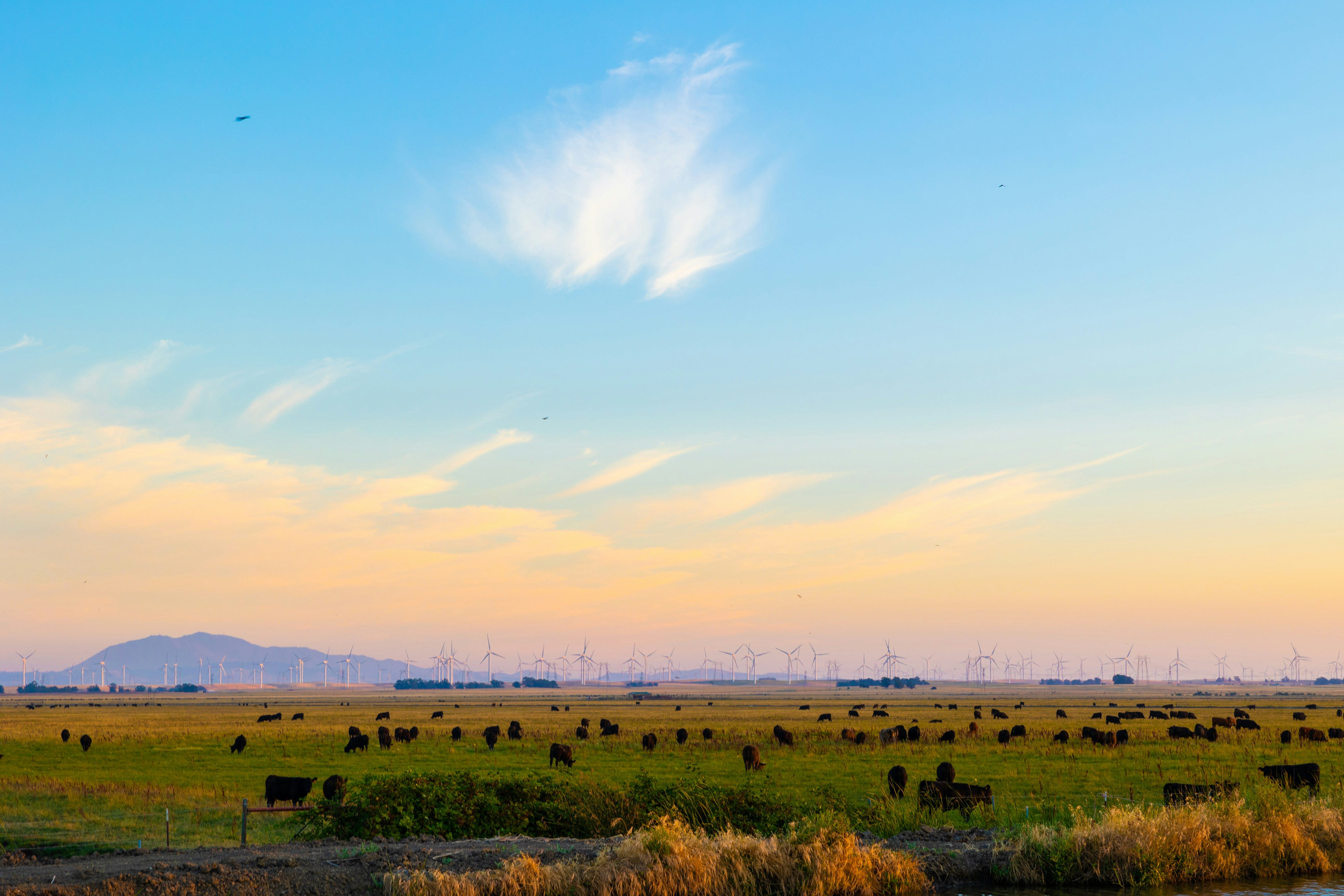
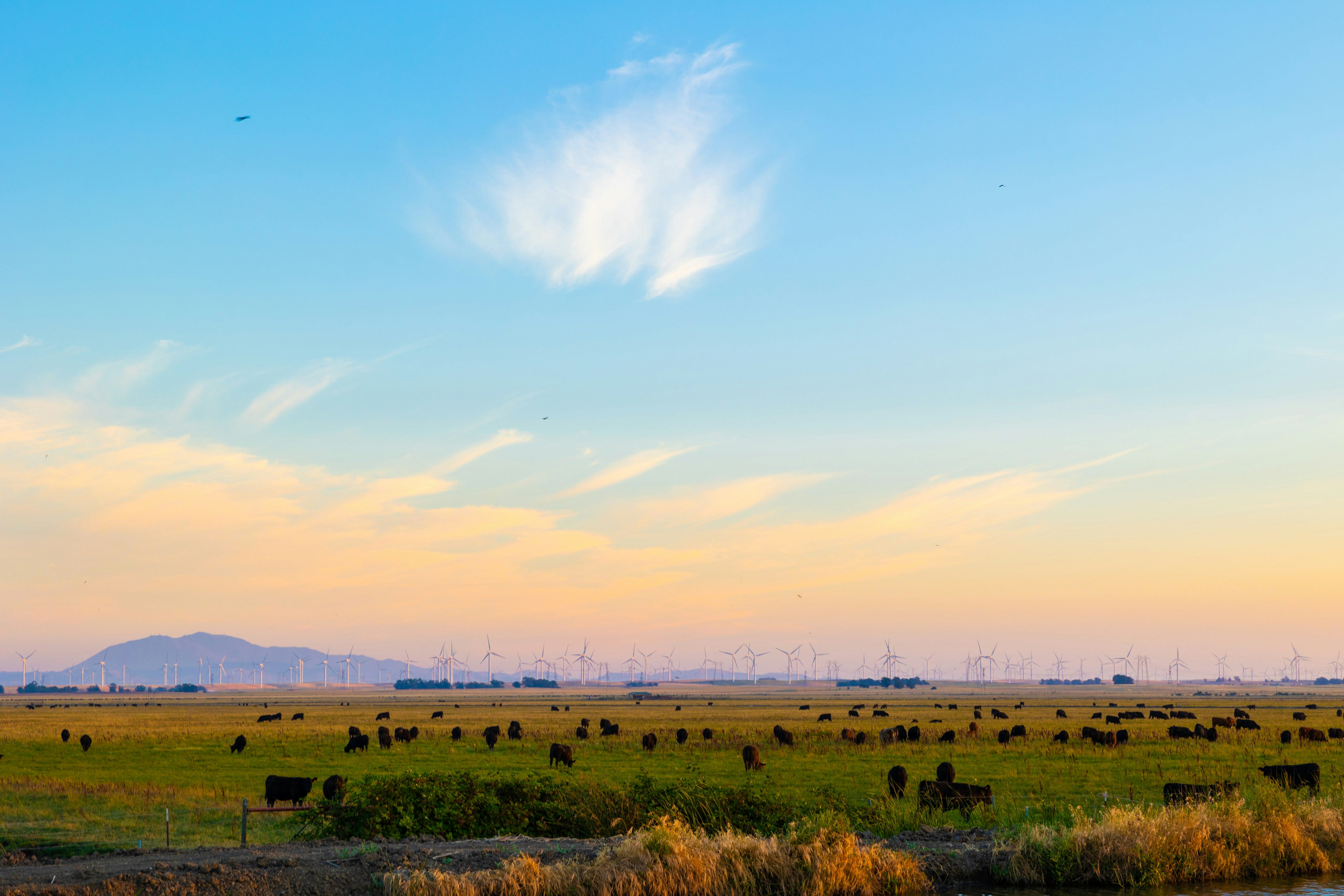
Nature Photo of the Month | Jimmy Giannini
Eco Fiction Review: History of the New World | Review by Ben Lockwood
The Once-Green Forest of My Lungs | Lynn Sargent
Lynn Sargent on Ecofiction | The Rotting Leaf
From the Editor: Planetary Possibilities
Dear Readers,
Capitalism, climate change, and ecological collapse are planetary problems. Not in the sense that the planet itself is at risk, this rock isn’t going anywhere any time soon. But these certainly are problems for all of the people here, and solving them requires that we think of ourselves as a planetary people.
What does that mean? It means cooperation with each other. Coordination within and across geographies. Recognition of spatial inequalities. Planetary democracy. Global solidarity. Otherworldly imagination. Earthly empathy. It means understanding that every single human being in the universe lives on the same planet, and that we all have a share in this (un)common, cosmic phenomenon.
This issue of The Eco Update explores how we might reach a better future for our ecosphere, and if we need to extend that reach. As always, we hope you find much to think about in the pages that follow.
In Solidarity,
-Ben
Decarbonization Is a Coordination Problem — and Private Markets Can’t Solve It
Melanie Brusseler, US Program Director, Common Wealth
Economic coordination — how a society organizes the interconnected work of investment, production, distribution, and provisioning — is the central question of progressive economic policy, and one we rarely stop to interrogate. Yet the two great planks of any progressive agenda, decarbonizing the economy and guaranteeing the affordable, universal provision of essentials, are at root the same kind of problem: not only what we want to achieve, but how the complex programs of economic activity needed to achieve it are to be organized, and by whom.
The Global Justice Platform: A Deal Capitalism Should Take
by Ben Lockwood

Capitalism has so successfully degraded our ability to believe in a better future that imagining a world with high well-being, prosperity, and a habitable planet for all feels like engaging in fantastical, utopian daydreaming. But a new report argues that not only is this world possible, it’s quantifiably feasible to create it over the course of the 21st century. Before assessing the validity of these claims, allow me to first explain a bit more about the report itself.
Nature Photo of the Month
by Jimmy Giannini
Ecofiction Review | History of the New World
Review by Ben Lockwood
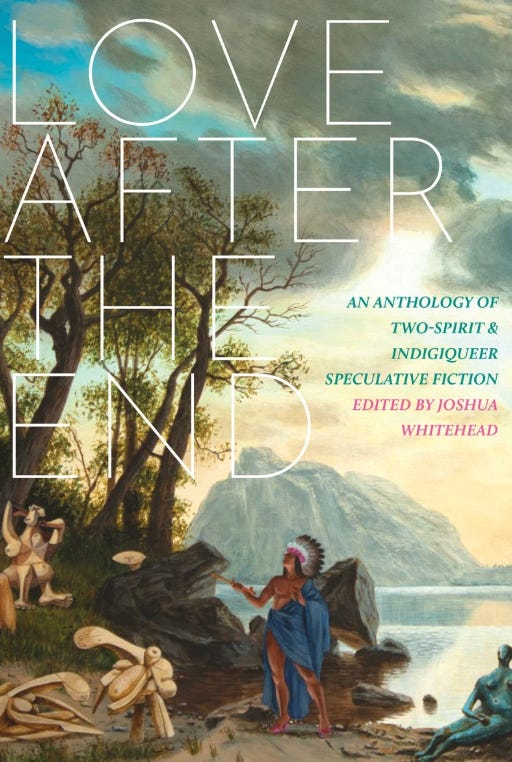
The new world in History of the New World, is not new at all-rather, it represents the same problematic longings and anxieties that have plagued capitalist society since its inception. The short story, written by Adam Garnet Jones, opens with a young, Two-Spirit nehiyow mother and her daughter leaving their home on a street lined with dead trees. For where we do not yet know, but Jones sets the stage aptly as our narrator wonders “Where will we bury our dead in the New World?”
The Once-Green Forest of My Lungs
by Lynne Sargent | The Rotting Leaf
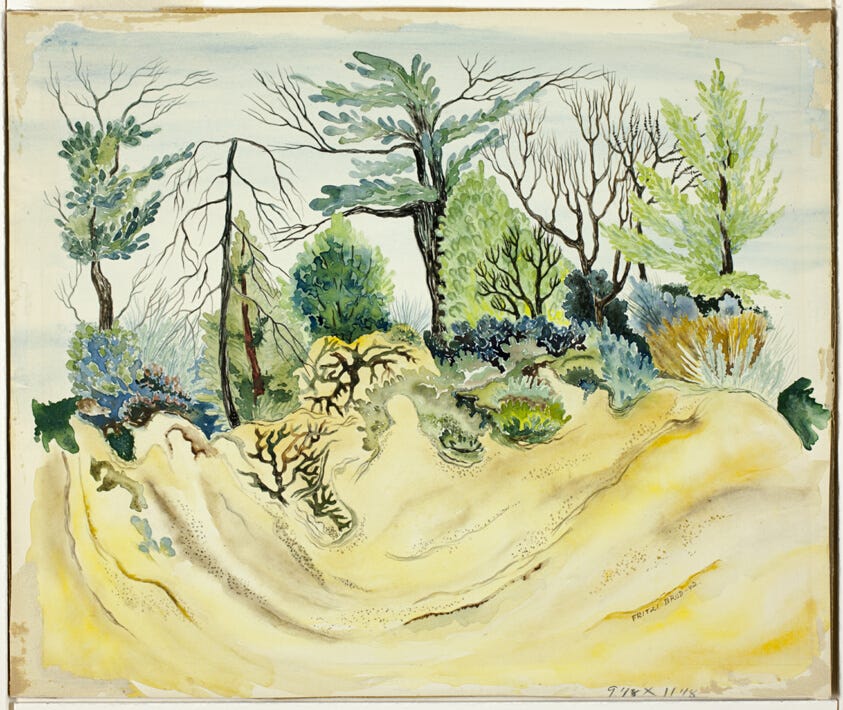
I have already met disaster. Now I stand before three deaths, hoping to make it to my desired one, and therefore make all my tribulations worthwhile.
First is the Cobreigen, the wolf of the dunes, made of swirling dervishes, who stalks the night air of the desert and hunts the water entrapped within flesh. Second, is the slow desiccation of the desert itself, the exposure of sun and heat. Third, and most coveted is the inevitable end of the Samia, the flower of the profound and the sublime, whose ingestion ends with perfect clarity, and death.
Lynn Sargent on Ecofiction
The Rotting Leaf

One of the moral goods of fiction is the unique positioning of the author as a guiding agent who has the capacity to cultivate empathy in the reader to a consciousness different from their own. It is the focus on interiority of fiction that sets it uniquely apart from other mediums of storytelling.
Great writing, as always. I love that photo by Jimmy too.
Artful + insightful 🍂